About us
Dot Lenton
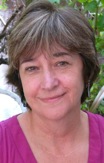
Dot has been involved with Philosophy for Children (P4C) for many years, working with children from inner-city primary schools as well as rural schools. She was head teacher in a small rural school, where she introduced P4C as a result of seeing the need for children to think for themselves. Her experience extends to working with teachers, governors and other adults. She was a consultant for the Primary Strategy for Norfolk Advisory Service. She is presently an inspector for church schools and a Diocesan School Support Officer.
Barbara Vidion
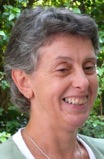
Barbara came to teaching after previously working with vulnerable groups, including psychiatric patients and social service clients. Her interest in P4C started in 1998 when working as a teacher with Dot, and became the basis for all her teaching. In addition to training teachers in using Philosophy for Children, she teaches yoga in Devon.
Working together
As a team, Dot and Barbara developed a philosophical basis for the whole school life. They became involved in action research in the classroom as part of Thinking Schools, Thinking Children, instigated by Norfolk County Advisory Service. They used results of the research with the National Small Schools Conference and led teachers from schools from around the UK in practical sessions. They continue to work with schools throughout the country and in Europe, providing training for staff and demonstration lessons with children. Dot and Barbara have recently had articles published in Primary Teacher Update.